
Two PhD students from Dr. Alison Gould’s laboratory in Temple University's Department of Biology, Hannah and Emma Román, have been selected as recipients of the Science Foundation’s 2026 “What If?” Grants of $10,000. They are among just 11 awardees selected for this funding opportunity, which supports innovative scientific research and encourages creative approaches to science communication.
Unlike traditional grant applications, applicants were asked to present their research through a three-minute video and answer questions about their projects' goals and significance.
Investigating mobile genetic elements in bioluminescent bacteria
Hannah studies bioluminescent bacteria associated with siphonfish in Australia. Her research has revealed that bacteria collected from different areas of Sydney Harbour vary substantially in their abundance of mobile genetic elements (MGEs), DNA sequences that can move or copy themselves within genomes and potentially disrupt bacterial functions.
Her “What If?” Grant will support additional fieldwork in Australia, where she plans to collect microbial samples from multiple sites around Sydney Harbour. By comparing bacterial populations across these locations, she hopes to determine if the abundance of mobile genetic elements is associated with environmental stress.
For her application, Hannah created a three-minute video explaining her research, combining a filmed presentation with text and graphics to make the science accessible to a broader audience.
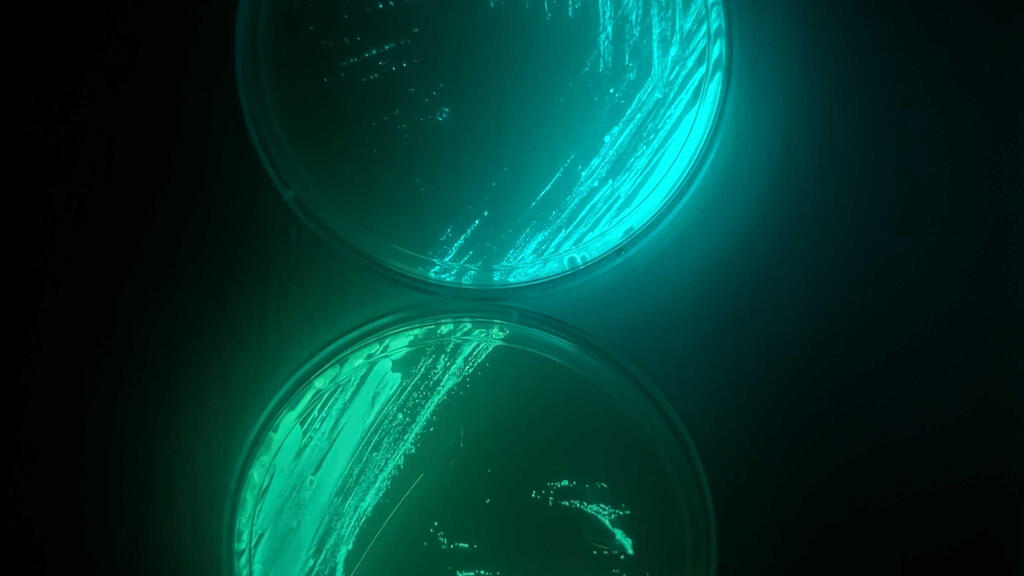
Cultures of Australian //P. mandapamensis// compared to the tropical population.
Photo by Madison Dautle
Exploring how beneficial bacteria establish symbioses in coral reef fish
Emma Román, a PhD candidate in Dr. Gould’s laboratory, investigates how the coral reef fish *Siphamia tubifer* acquires its bioluminescent bacterial symbionts. Her research focuses on understanding where these bacteria live outside their fish hosts and how they move through coral reef environments before establishing new symbiotic relationships.
This funding will support another field season in Okinawa, Japan, as well as the processing and analysis of samples collected during her 2025 and 2026 fieldwork. The project will contribute an entire chapter to her doctoral dissertation.
For her application video, Emma incorporated footage from her fieldwork in Okinawa, where she participated in a Japan Society for the Promotion of Science (JSPS) fellowship during summer 2026. The video allowed her to connect her field observations with laboratory research at Temple while highlighting the bioluminescence and coral reef habitats central to her work.
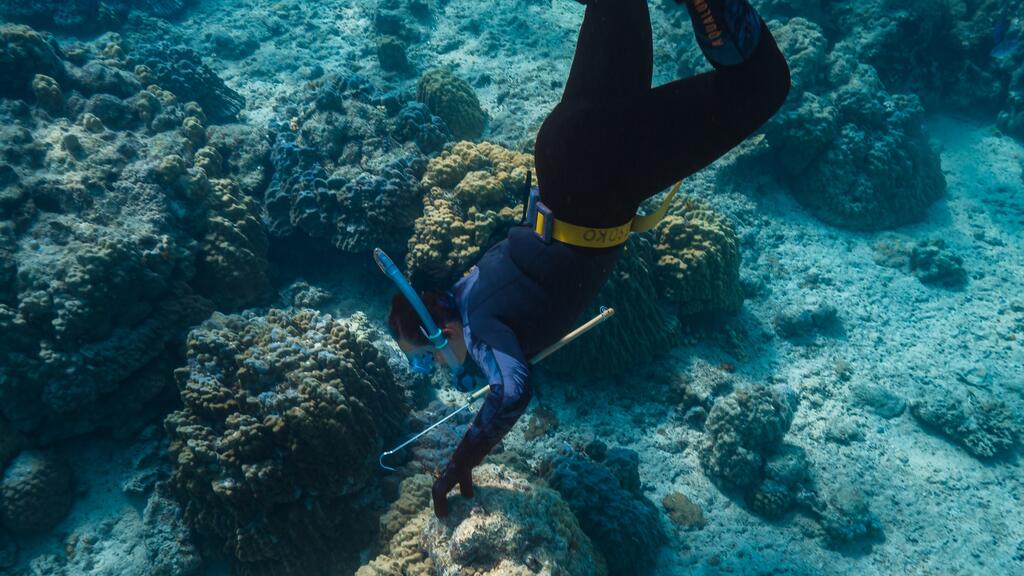
Emma collecting coral reef fish //Siphamia tubifer//
Supporting innovative research and science communication
These two awards recognize the research being conducted in Dr. Gould’s laboratory and the students' ability to communicate complex scientific questions to broader audiences.
Their projects explore different aspects of microbial ecology, from the potential relationship between environmental stress and bacterial genome dynamics to the movement of beneficial microbes through coral reef ecosystems.
Congratulations to Hannah and Emma on their achievements!
Learn more: [Science Foundation: Announcing the 2026 “What If?” Grant Winners](https://scifnd.substack.com/p/announcing-the-what-ifs-02026-winners)